Legion's Labyrinthine Legacy: A Deep Dive into the Mind Behind the 2025 Topps Marvel Mint #D-3
Unpacking the complex history of David Haller and its impact on his highly sought-after Gambit's Deck Chrome card.
Welcome, fellow collectors, to mintcomiccards.com, your ultimate resource for the 2025 Topps Marvel Mint trading card set! Today, we're delving into the intricate and often tragic history of one of Marvel's most powerful and complex mutants: David Haller, better known as Legion. His presence in the highly anticipated Gambit's Deck Chrome insert set, specifically card Legion #D-3, is a testament to his enduring impact on the Marvel Universe. This 52-card insert set, found at 1:4 odds, is already a fan favorite, and Legion's card is a standout.
The Genesis of a God-Level Mutant: First Appearance and Creators
Legion made his dramatic debut in New Mutants #25, published in March 1985. This pivotal issue was brought to life by the legendary creative team of writer Chris Claremont and artist Bill Sienkiewicz. Claremont, already a titan in the X-Men mythos, crafted a character of immense power burdened by severe mental illness, while Sienkiewicz's distinctive, often surreal art perfectly captured the fractured reality of David Haller's mind. From his very first appearance, it was clear Legion was unlike any mutant seen before, a force of nature whose greatest enemy was often himself.
Key Storylines and Defining Moments: A Mind Divided
David Haller is the son of Professor Charles Xavier and Gabrielle Haller, a Holocaust survivor and Israeli diplomat. Born with a severe form of dissociative identity disorder, each of David's personalities possesses a different mutant power. This unique premise has fueled some of the most memorable and impactful storylines in X-Men history.
One of Legion's earliest and most significant arcs involved his struggle to integrate his personalities, often with disastrous results. The 'Legion Quest' storyline (1995) is arguably his most defining moment. Driven by a desperate desire to make his father's dream of human-mutant coexistence a reality, Legion traveled back in time to kill Magneto before he could become a villain. Instead, he accidentally killed his own father, Professor X, in the past. This catastrophic event created the 'Age of Apocalypse' reality, a dark, alternate timeline where Apocalypse ruled the world. This storyline cemented Legion's status as a character capable of universe-altering consequences, even if unintentionally.
More recently, the 'X-Men: Legacy' series (2012-2014) by Simon Spurrier and Tan Eng Huat offered a profound exploration of Legion's psyche, as he actively sought to control his powers and integrate his personalities. This run saw David become a hero in his own right, battling threats both internal and external, and ultimately sacrificing himself to save the world from a rogue personality.
Character Evolution: From Threat to Tragic Hero
Legion's evolution has been a journey from a dangerous, unstable threat to a complex, often tragic hero struggling for self-mastery. Initially portrayed as a ticking time bomb, a powerful mutant whose abilities were as much a curse as a gift, later interpretations focused on his humanity and his desire for acceptance and control. His story is a poignant exploration of mental health, identity, and the burden of immense power. His return in the Krakoan era, albeit brief, continued to highlight his unique position within the mutant community.
Iconic Panels and Covers: Sienkiewicz's Legacy
Bill Sienkiewicz's early work on New Mutants defined Legion's visual identity. Covers like New Mutants #26, depicting a fragmented David Haller, are instantly recognizable and perfectly encapsulate his fractured mind. Later artists continued to capture his unique visual flair, often employing abstract or disorienting imagery to convey his internal struggles. These iconic visuals have left an indelible mark on comic art.
Connecting History to the 2025 Topps Marvel Mint Cards
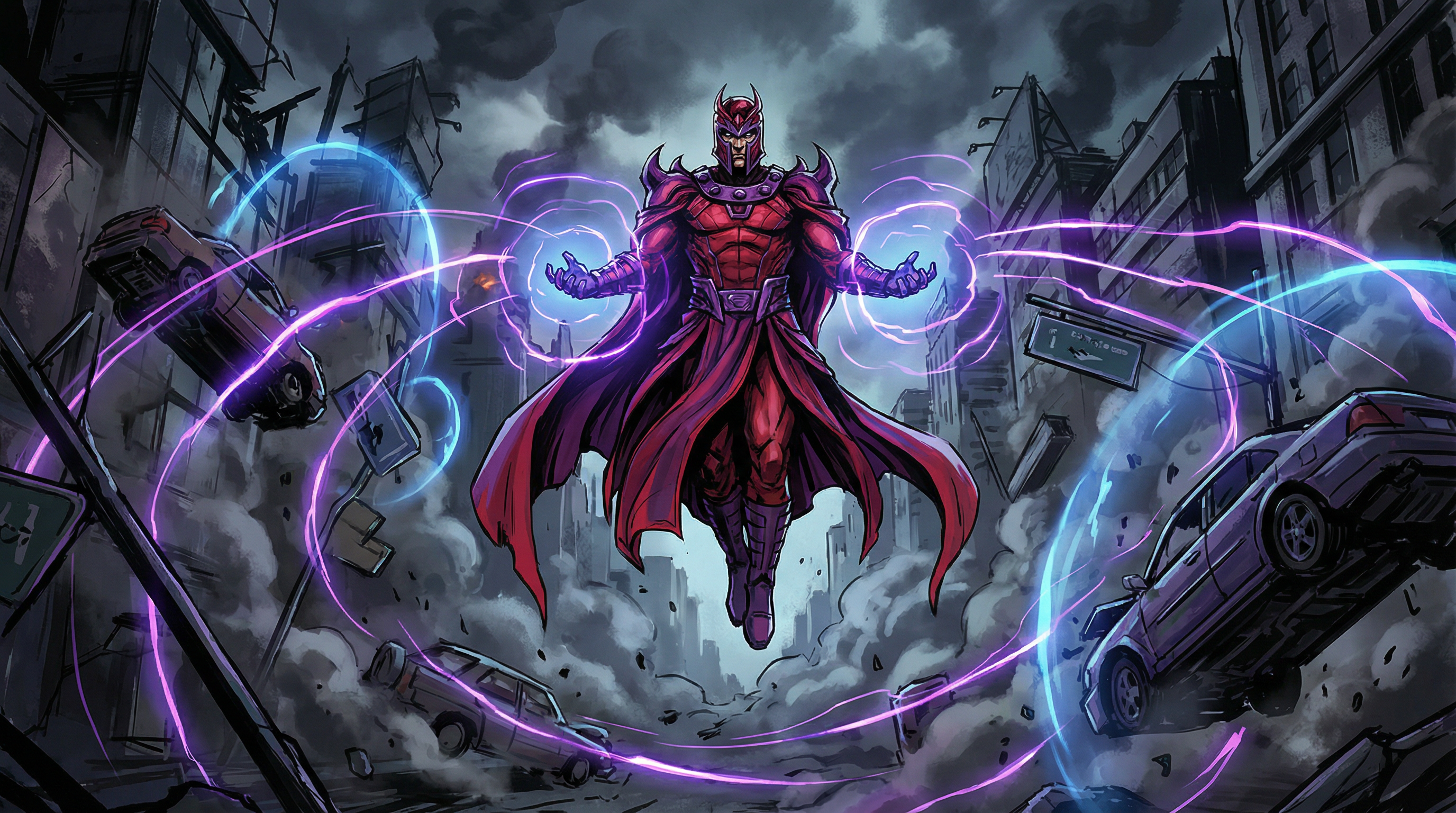
The 2025 Topps Marvel Mint set masterfully captures the essence of these iconic characters. Legion's inclusion in the Gambit's Deck Chrome set is no accident. The playing card motif, with its inherent symbolism of chance, strategy, and hidden depths, perfectly mirrors Legion's unpredictable nature and the 'wild card' element he brings to any situation. His #D-3 card, part of the coveted Diamond suit, subtly hints at his immense power and the 'precious' yet dangerous nature of his abilities. Other cards in this set, like Gambit #S-A, Wolverine #C-A, and Magneto #D-A, showcase other pivotal Marvel characters, making the entire insert set a celebration of mutant power and history.
Why Comic History Makes Certain Cards More Valuable
For collectors, a character's rich comic book history directly translates to card value. Legion's 'Age of Apocalypse' saga, his connection to Professor X, and his unique power set make him a character of significant lore. Cards featuring characters with deep, impactful storylines, iconic first appearances, and complex evolutions resonate more deeply with fans. The 2025 Topps Marvel Mint #D-3 Legion card isn't just a piece of cardboard; it's a tangible link to decades of storytelling, a reminder of a character who literally reshaped the Marvel Universe. The depth of his narrative, his visual distinctiveness, and his profound impact on major X-Men events elevate this card from a mere collectible to a piece of comic book history itself. Savvy collectors understand that investing in cards tied to such pivotal characters and moments is a smart move, as their significance only grows with time. Don't miss your chance to pull this essential piece of the 2025 Topps Marvel Mint collection!
“The Genesis of a God-Level Mutant: First Appearance and Creators
The Doctor Doom Comic Cuts insert set contains 200 unique 1/1 cards, each featuring an actual panel from classic Marvel comics — making every pull a one-of-a-kind piece of comic history.
INTEL ALERTS
// SUBSCRIBE
Daily MCU briefings, card spotlights, and collector insights — straight to your inbox.